The Power of Praise
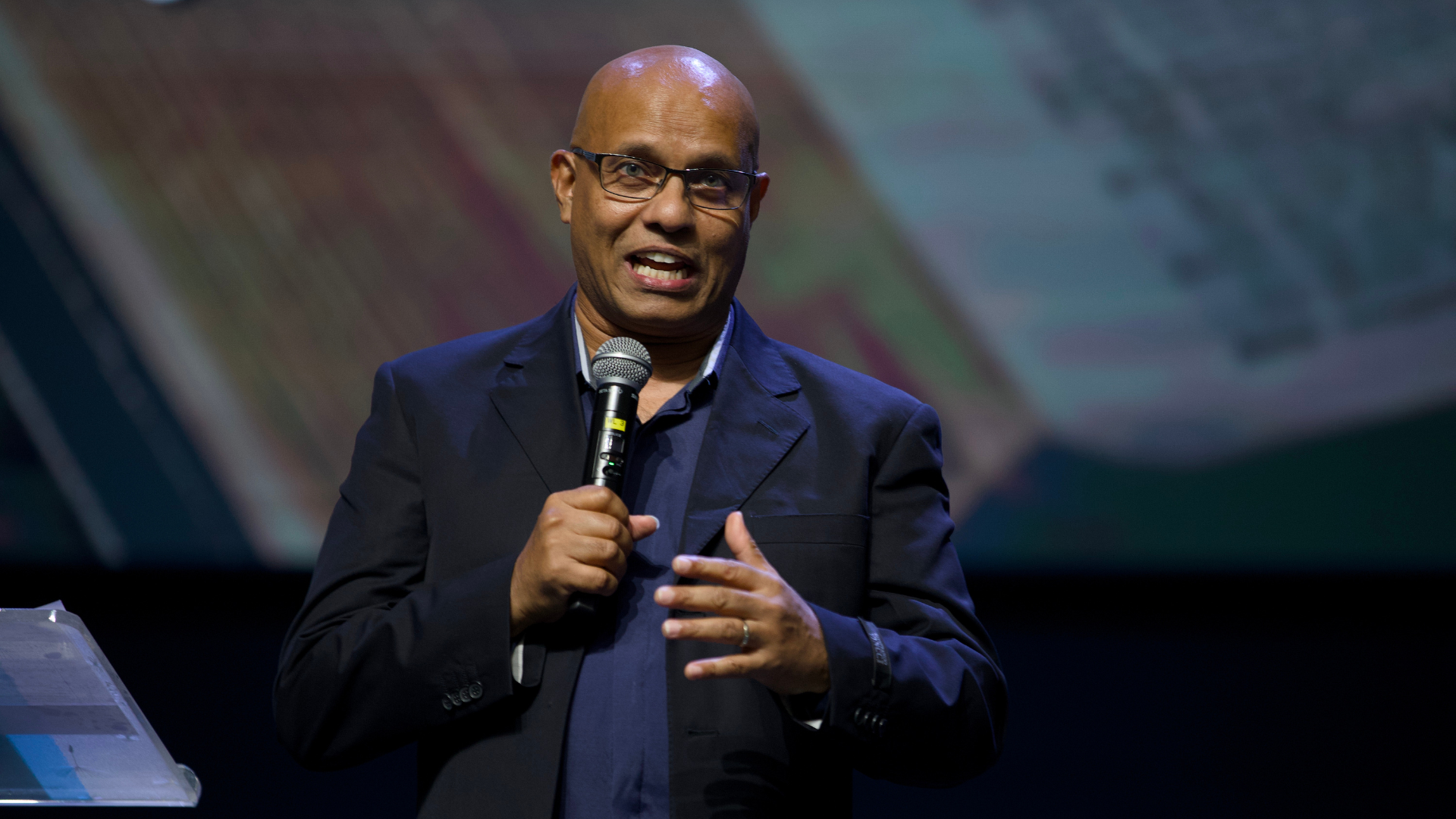
by Pastor Peter Simon
09 August 2026
Key Texts: Psalm 100:1–5; Psalm 95:1–5; Revelation 5:11–12; Hebrews 13:15; Philippians 4:6; 1 Thessalonians 5:18; Luke 19:37–40; 2 Samuel 6:16, 20–23; Acts 16:25–26; 1 Peter 2:9
Theme: Praise is not a feeling, a musical preference or a warm-up to the sermon; it is a principle, a practice and a prophetic act — and when God's people enter His presence with praise, He invades their circumstances with power.
Praise Is Biblical, Not a Matter of Taste
Ask most churchgoers to define praise and the answer comes back in musical terms: praise is the fast songs, worship is the slow ones. That definition quietly reduces a biblical command to a question of personal taste. Believers who grew up with hymns such as How Good It Is to Give Thanks unto the Lord can find the newer declarative songs loud, unfamiliar and crowded with drums and brass, and the temptation is simply to wait out the fast songs and join in when something gentler begins. Two habits form from this. Some come only for the music and grow restless once the Word is preached; others arrive only in time for the sermon and treat the singing as optional.
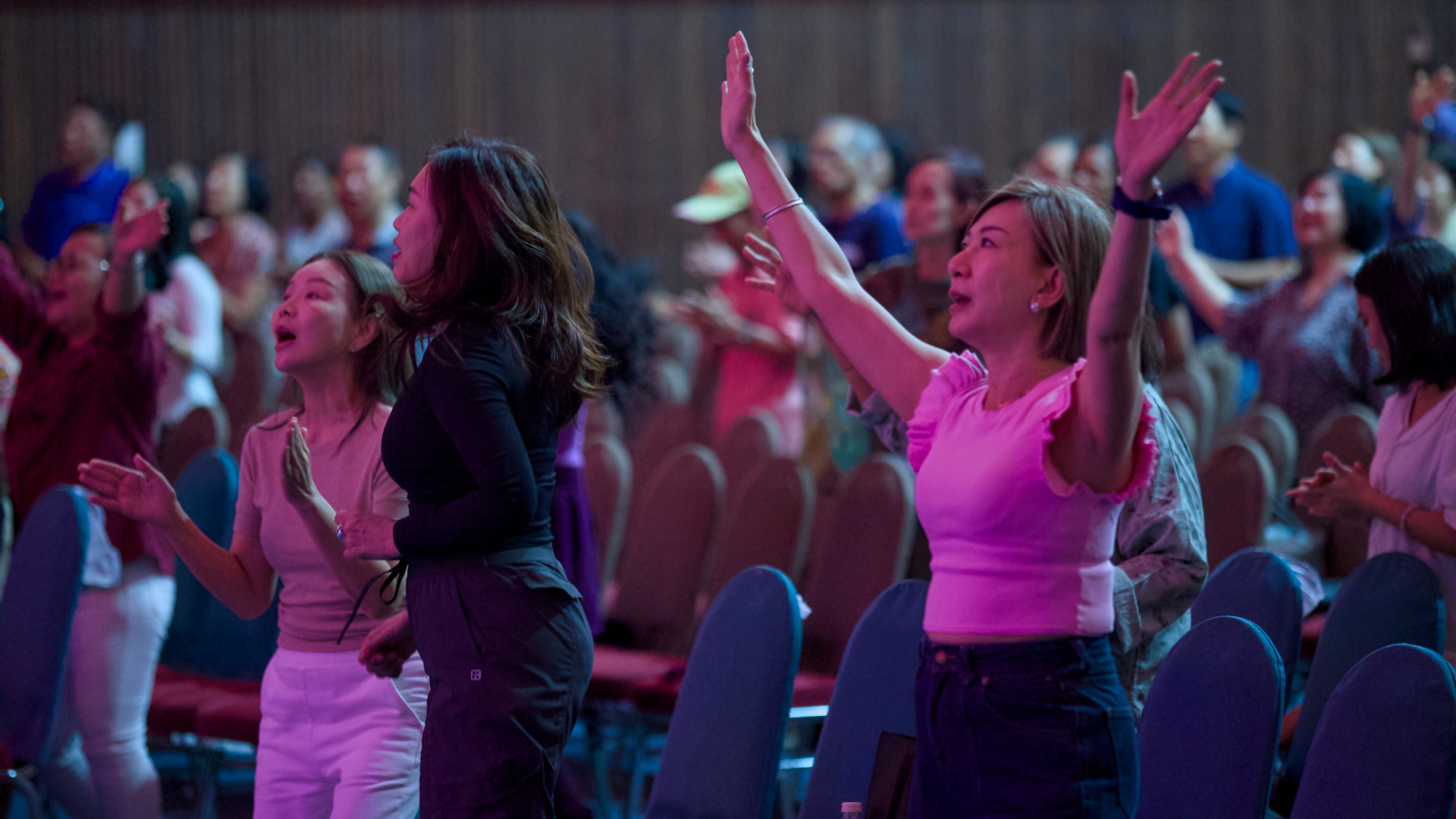
Psalm 100 leaves no room for either preference. It commands the whole earth to shout for joy to the Lord, to worship Him with gladness, to come before Him with joyful songs, and to enter His gates with thanksgiving and His courts with praise — because the Lord is good, His love endures forever and His faithfulness continues through all generations. Praise is biblical and it is generational. The believer is called to declare the praises of Him who called them out of darkness into His marvellous light, speaking and singing into the atmosphere of the office, the school and the campus, not merely the sanctuary.
Application:
Sing the songs that are not your preferred style this Sunday rather than waiting them out, and engage with the words being declared instead of the arrangement being played.
Heaven Is Not a Quiet Place
Revelation 5:11–12 records what John saw when heaven was opened: thousands upon thousands, and ten thousand times ten thousand angels encircling the throne, declaring in a loud voice that the Lamb who was slain is worthy to receive power, wealth, wisdom, strength, honour, glory and praise. Heaven is neither silent nor solemn. It is celebratory, and its praise continues eternally. A.W. Tozer put the implication bluntly — a person who takes no delight in praising God here is not ready for heaven. Those who prefer their church quiet and subdued are preferring something heaven does not offer.
This reframes what happens every Sunday. Corporate praise is a rehearsal. The gathered church is preparing for the great concert of the ages, when every nation will assemble and sing before the throne. The only places marked by permanent silence are places of death and defeat; the cemetery is quiet. A people who are alive in Jesus, set free by the Son and therefore free indeed, have no reason to hold back what heaven never stops giving.
Application:
Approach the next praise and worship set as rehearsal for eternity rather than as the preliminary to the sermon.
The Instinct to Celebrate
Human beings already know how to celebrate; the question is what they reserve it for. The 2026 World Cup final between Spain and Argentina drew 80,663 spectators, and that stadium was anything but quiet. Watching the same match at 2:30 in the morning at a packed mamak stall after the home internet failed, a daughter who understood nothing about football — asking why the men kept kicking the ball — was still swept into the celebration simply because she wanted to be part of it. The same happens in cinemas and at music festivals, where audiences sing along and dance in the aisles.
Celebration surrounds births, marriages, new jobs, promotions and friendships. If human achievement draws that response, the One who gave every one of those gifts deserves immeasurably more. Music itself belongs to God and was created for His glory, even though the enemy has perverted it for destructive ends. The church's task is to take it back — to refuse to hold back its praise, and to declare the goodness of God so that He intervenes in the atmosphere His people occupy.
Application:
Give God at least the same visible enthusiasm you would give a goal, a graduation or a favourite song, and stop rationing your celebration to things that cannot save you.
The Difference Between Praise and Worship
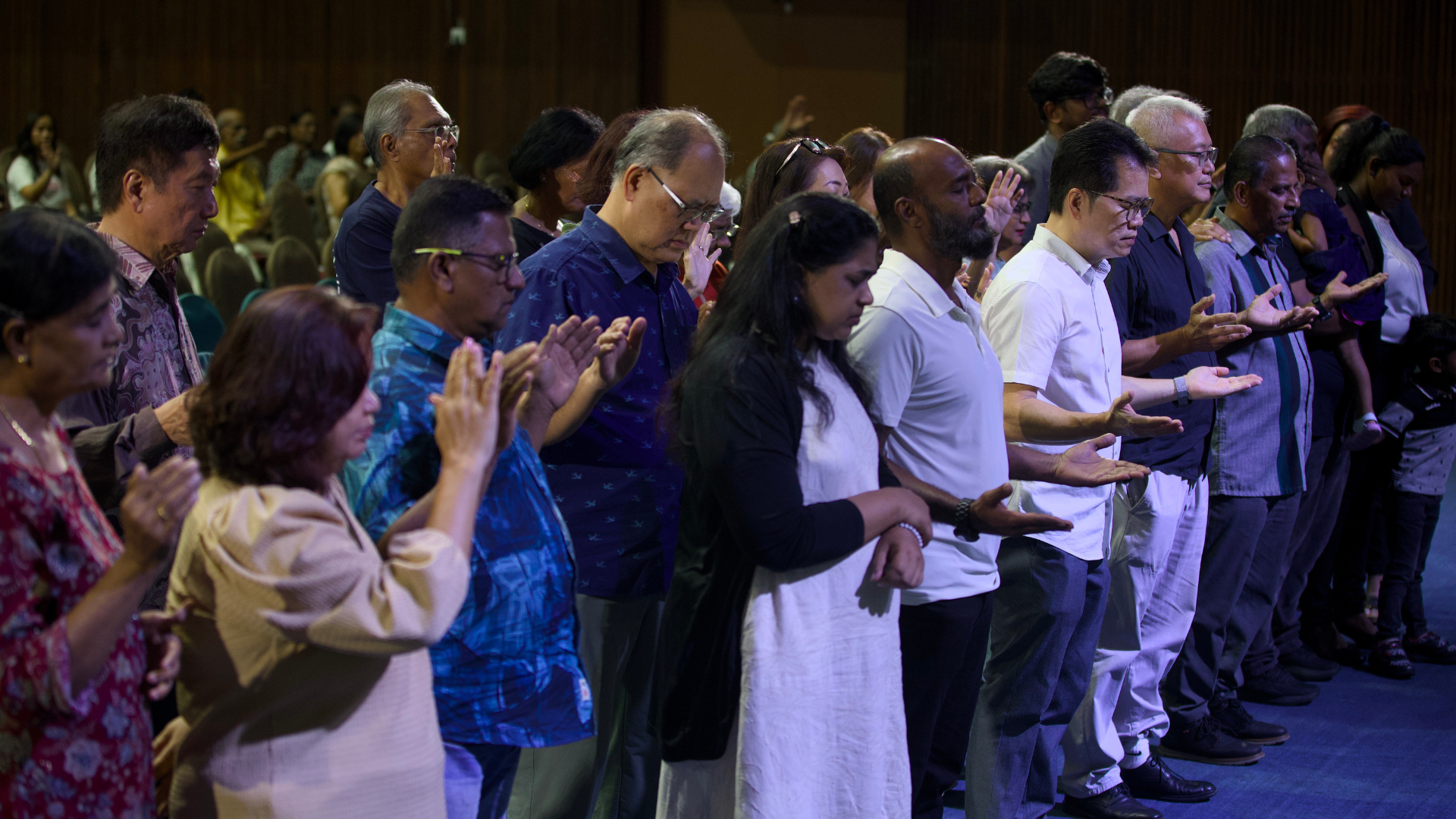
Praise and worship are related but distinct. Praise is about God — it boldly declares who He is: shepherd, deliverer, mighty one. Worship is connection with God — drawing near, entering His presence, humbly bowing the heart before Him. Psalm 100 preserves the order: enter His gates with thanksgiving and His courts with praise. Praise opens up a life and gives God room to work; worship carries the believer inside. Thanksgiving is the key that turns in the lock, and complaining is precisely what will not open it.
This is also why arriving late costs more than a missed song. The players do not enter the stadium defeated, and the fans cheer and chant before the game begins because they anticipate something happening. In the same way, God is drawn by hunger and moved by faith. A person who comes to church expecting nothing will leave with nothing, and the fault will not lie with the church or the pastors. A person who comes with thanksgiving, asking God to speak and minister, goes home carrying the treasures of heaven.
Application:
Arrive early enough to be present from the first song, and bring your needs into God's presence expecting Him to answer rather than leaving them at the door.
Praise Is a Principle: The Perspective of Thanksgiving
Praise begins in perspective, not emotion. Philippians 4:6 instructs believers not to be anxious about anything but in every situation to present their requests to God with thanksgiving, and 1 Thessalonians 5:18 calls them to give thanks in all circumstances. The wording matters: thankfulness is commanded in all circumstances, not for the circumstance. A tyre found flat on the morning of a university drop-off, followed by a petrol station air pump that refused to work, looked like nothing but frustration. Yet the pump's failure forced a proper repair rather than a quick top-up, and God, who knows what lies halfway down the journey, was at work in the inconvenience.
Perspective, then, is the deciding factor. A person who believes God is good, and who understands the depth of His love and the cost of the cross, will want to praise Him regardless of the mood they woke up in. The opposite of thanksgiving is complaining, and a complaining tongue reveals an ungrateful heart. There is always something to name: food on the table, clothes that have lasted years, a car or a bicycle that still gets a person from one place to another, and the people God has given. Psalm 95 calls the congregation to sing for joy, shout aloud to the Rock of salvation and extol Him in music and song. It is not happy people who become thankful; it is thankful people who become happy.
Application:
Take one frustration from this past week and deliberately name three things you can thank God for within it before you complain about it again.
Praise Is a Practice: The Sacrifice of Praise
Hebrews 13:15 calls believers to continually offer God a sacrifice of praise. The word sacrifice is deliberate: praise is a decision made regardless of feeling, not a reaction produced by one. Nothing about the Christian life happens by accident — nobody arrives at church, at work or at a favourite food stall without choosing to go. Praise is the same kind of choice, made daily rather than weekly, and made corporately alongside people whose singing may be off key or out of time. Musicians know the discomfort of a rhythm going astray mid-song; the practice is to keep offering praise anyway.
Sacrifice shows up in ordinary ways. Worship teams and technical teams spend weeks preparing songs, praying over the flow and finding the right keys. Members travel long distances, park far away and walk. Setting aside personal preferences, feelings and even pressing needs in order to lift God up is exactly what makes the offering costly — and worship without sacrifice is worthless. Those who have received so much should not offer so little. When God is lifted up, His presence comes down, and the times a believer least feels like praising are precisely the times to praise most.
Application:
Decide in advance that you will praise God this week on the days you least feel like it, and treat that decision as an offering rather than a mood.
Refusing to Be Outdone by Stones
In Luke 19:37–40, as Jesus came down the Mount of Olives, the whole crowd of disciples began joyfully praising God in loud voices for all the miracles they had seen, declaring blessing on the King who comes in the name of the Lord. Some of the Pharisees demanded that He rebuke them for the noise. His answer was that if His disciples kept quiet, the stones would cry out. Creation itself is prepared to supply the praise that God's people withhold.
That is a sobering standard. A stone is inert and unremarkable, yet it stands ready to worship. A person made in the image of God, given breath by Him and rescued by Him, has every reason to give the highest praise and no reason to be outdone by a rock. If God is rich in power, His people have no business being poor in praise; if He is generous with favour, they have no business being stingy with faith.
Application:
Measure your praise against what God has actually done for you, not against how expressive the person next to you happens to be.
David's Undignified Praise and Michal's Contempt
When the ark of the Lord entered the City of David, Michal, the daughter of Saul, watched from a window and despised King David in her heart as he leaped and danced before the Lord (2 Samuel 6:16). She met him afterwards with scorn, accusing him of distinguishing himself by behaving as any vulgar fellow would in full view of the servants' slave girls. David's reply was that his celebration was before the Lord who chose him and appointed him ruler over Israel, and that he was willing to become even more undignified than that. Position — pastor, elder, deacon, or simply someone respected in the church — is no exemption from wholehearted praise.
The warning attaches to Michal, who had no children until the day of her death. There is something worse than refusing to praise God, and that is despising those who do. Criticism of the overly expressive, the off-key and the young who jump and dance may feel reasonable, but it carries the risk of spiritual barrenness. Those waiting on a breakthrough may find that the next step is not more analysis but a decision to praise God in the hallway, before the door has opened and before the miracle has arrived.
Application:
Refuse to criticise anyone's expression of praise this Sunday, and if a breakthrough is what you are waiting for, begin praising God for it before it comes.
Praise Is Prophetic
God did not mould the world into existence; He spoke it into existence, and His people carry that same power in their words. Words form worlds. Even an experiment on houseplants — one set spoken to kindly, the other harshly — shows negative speech doing real damage. Praise songs function prophetically because they train believers to declare who God is: King, Counsellor, Prince of Peace. Gratitude is normally offered after something has been done, yet thanking a person in advance conveys genuine confidence in them, and that is exactly what praise does before God — thanking Him in advance for the miracle, the healing and the breakthrough still on the way.
Scripture and experience both bear this out. In Acts 16 Paul and Silas had every reason for silence: imprisoned, shackled and fastened in stocks. Instead they prayed and sang hymns, and the prison was shaken and their chains fell off. A worship meeting that saw no breakthrough on its first difficult night saw many miracles on the second, after the team and the prayer tower gave themselves to sustained praise and thanked God in advance. God is moved by faith, not by frustration; He inhabits the praises of His people, not their grumbling. When believers enter His presence with praise, He invades their circumstances with power.
Application:
Thank God out loud today for the specific breakthrough you are still waiting on, speaking it as though it is already on its way.
Life Group Reflection Questions
1. The message challenges the idea that praise is simply the fast songs and worship is the slow ones. How has your own definition of praise been shaped by musical preference, and what would change if you treated praise as a command rather than a style?
2. 1 Thessalonians 5:18 calls believers to give thanks in all circumstances, not for the circumstance. Which current situation are you finding hardest to be thankful in, and what might a shift in perspective look like there?
3. Hebrews 13:15 describes praise as a sacrifice — something offered whether or not the feeling is present. What does praising God actually cost you personally, and when did you last pay that cost willingly?
4. Michal despised David for his undignified dancing and remained barren until her death. Where have you found yourself quietly critical of how others express their faith, and what do you think that criticism protects in you?
5. Paul and Silas sang in a prison cell before anything changed. What would it look like this week to thank God in advance for a breakthrough you cannot yet see, and how could this group pray with you for it?
Closing Summary
This message traces a single, consistent thread: praise is never about preference, mood or musical style, but about who God is. From the command of Psalm 100 to the ceaseless praise of Revelation 5, from a flat tyre that became a reason for thanksgiving to a prison cell that shook when two men sang, the pattern holds. Praise is a principle rooted in perspective, a practice sustained by decision, and a prophetic act that declares God's goodness before the evidence arrives. God is moved by faith, not frustration, and He inhabits the praise of His people rather than their complaints. The call of this message is simple: stop waiting to feel like it, bring your sacrifice of praise, and watch God invade your circumstances with His power.