Lessons from the Boat
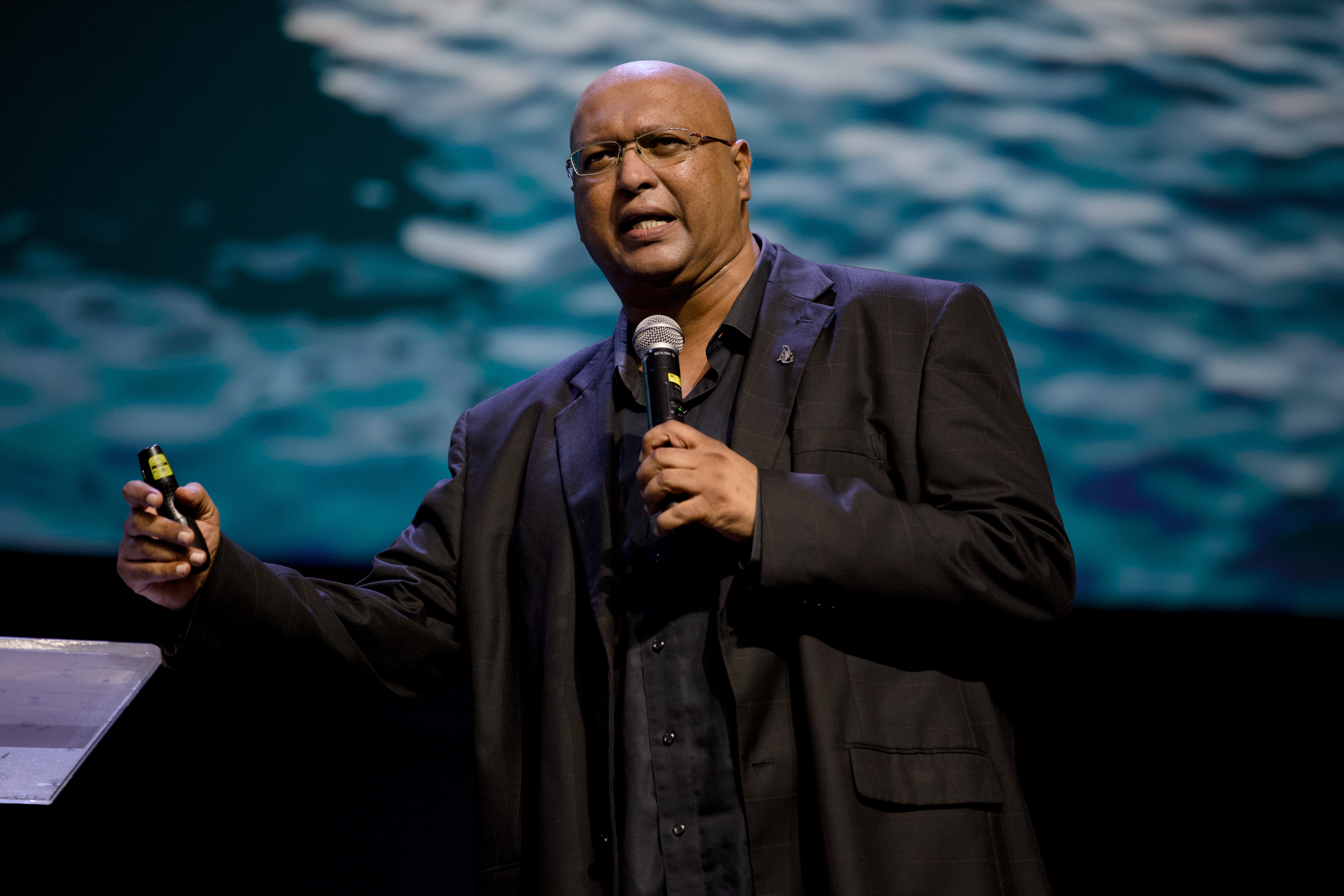
by Pastor Sean Prasad
13 September 2026
Key Texts: Luke 5:1–11; Matthew 4:10; Matthew 8:23–27; Matthew 13; John 6:19; John 21:1–14
Theme: Jesus steps uninvited into the ordinary, exhausted places of daily life, and calls His people to listen, launch out in faith, and keep casting their nets even after failure.
Jesus Gets Into the Boat: God Entering Ordinary Life
In Luke 5:1–3, as a crowd pressed in to hear the word of God, Jesus got into one of two boats at the edge of the Sea of Galilee — Simon Peter's boat — and taught the crowd from it. The boat represents ordinary life and livelihood, and the striking detail is that Jesus did not ask for permission before stepping in. Across the Gospels, the boat becomes a recurring setting for His ministry: He slept in a boat during a storm (Matthew 8:23–27), taught the parables of the sower and the seed from a boat (Matthew 13), and approached a boat walking on water (John 6:19). By one estimate, roughly 85 percent of Jesus' earthly ministry took place around the Sea of Galilee, and five of the twelve disciples were called from among its fishermen.
Jesus did not wait for people to come to Him; He went out to the villages and cities, preaching the good news, walking an estimated 21,000 miles over three years of ministry. When He got into Peter's boat, Peter had already fished all night and caught nothing — drained, worn out, and discouraged. Jesus meets people in exactly this state: in the exhaustion of work, family responsibilities, ministry, or burnout, entering the boat of a person's life and livelihood without waiting to be invited.
Application:
Invite Jesus into whatever area of your life or work currently feels most drained or routine, trusting that He comes near even without being asked.
Full of Life or Standing Still: Becoming a Channel of Blessing
The Sea of Galilee and the Dead Sea are both fed by the same river, the Jordan, and both lie well below sea level, yet they could not be more different. The Sea of Galilee teems with life — dozens of fish species, hundreds of plant and bird species, and millions of migrating birds — because it both receives water and releases it onward. The Dead Sea, by contrast, only receives; nothing flows out, and as a result nothing in it can live.
This contrast illustrates a principle for spiritual life. Jesus said that out of the believer's heart flow rivers of living water; a life that only receives from God without releasing anything outward becomes stagnant, like the Dead Sea. God blesses His people not merely so they can keep what they receive, but so they can become channels of blessing to others.
Application:
Identify one blessing God has given you this week, and deliberately pass it on to someone else rather than holding onto it alone.
Listen to God
When Jesus got into the boat, the first response He required of Peter was to listen. Faith comes by hearing, which is one reason gathering with the church matters: it is a place to hear God's voice amid the countless competing voices of daily life — advice, formulas, and noise from every direction. God speaks through His Word, through worship, and sometimes through a single verse that reshapes a person's entire life, in the way Jesus' own words to the tempter, "You shall worship the Lord your God, and Him only you shall serve" (Matthew 4:10), can become the defining verse of a believer's life.
Peter's response models this kind of listening obedience: "Master, we have toiled all night and caught nothing; nevertheless at Your word I will let down the net" (Luke 5:5). Peter's obedience did not depend on his own exhaustion or on obvious evidence that it would work; it depended on having heard Jesus' word and choosing to act on it anyway.
Application:
Set aside dedicated time this week specifically to listen for God's voice through Scripture or worship, rather than only bringing requests to Him.
Launch Into the Deep
After teaching from the boat, Jesus told Peter to "launch out into the deep" (Luke 5:4) — to move beyond the shallow, familiar waters into something further and deeper. Growth in a believer's walk with God often requires the same movement: leaving the comfort zone, being open to change, and taking a risk rather than repeating the same patterns and expecting a different result.
Taking such a risk does not mean facing it alone. Launching into the deep means bringing Jesus along into the risk, since waves, storms, and uncertainty are still part of deeper water. With Jesus in the boat, a believer is both safe and saved through whatever the deep water brings.
Application:
Take one specific step this week that requires trusting God beyond your comfort zone, and consciously invite Him into that risk before you take it.
Loads of Fish: Abundance Follows Obedience
When Peter obeyed and let down the nets, the catch was so great that the nets began to break, requiring a second boat to help bring it all in — so much that both boats began to sink under the weight (Luke 5:6–7). Confronted with this abundance, Peter fell at Jesus' knees, recognizing his own sinfulness in the presence of such goodness. When God's blessing becomes evident in a person's life — in marriage, business, or provision — the appropriate response is to bring that blessing back before God in praise rather than taking credit for it.
Jesus responded to Peter's fear by saying, "Do not be afraid; from now on you will catch men" (Luke 5:10), and Peter, James, and John, upon bringing their boats to land, left everything to follow Him. Following Jesus requires leaving something behind, and hearing and obeying His word can produce blessing far beyond what any effort alone could achieve.
Application:
The next time obedience to God costs you something difficult, follow through anyway, trusting that the resulting blessing may exceed what the obedience required.
Even After Failure, Jesus Still Calls
John 21 records a second, strikingly similar miracle. After Jesus' resurrection, the disciples, having failed and abandoned Him at His arrest, returned to their old occupation of fishing. They fished all night again and caught nothing. In the morning, Jesus stood on the shore, already preparing breakfast, and called out asking if they had caught anything. When they answered no, He told them to cast their net on the other side of the boat, and the resulting catch was again overwhelming.
This account matters because Jesus was not speaking to disciples who had remained faithful; He was speaking to those who had failed Him and drifted back into their former lives. A relationship with God can quietly become routine, joyless, or distant over time, yet Jesus continues to meet His people even in that state, still inviting them to cast the net again. His faithfulness toward those who fail does not depend on their record of success.
Application:
If you have drifted from God through failure or routine, respond today to His invitation to "throw the net on the other side" rather than assuming He has given up on you.
Life Group Reflection Questions
1. Jesus got into Peter's boat while Peter was exhausted from a fruitless night of fishing. Where in your life right now might Jesus be wanting to "get into your boat" — your work, your family, your routine — even though you haven't specifically invited Him?
2. The Sea of Galilee is full of life because it receives and releases water, while the Dead Sea, which only receives, is lifeless. In what ways are you currently a "channel of blessing," passing on what God has given you, versus simply holding onto it?
3. Peter said, "Master, we have toiled all night and caught nothing; nevertheless at Your word I will let down the net." Is there an area where you are being asked to obey God despite exhaustion or past disappointment? What would obedience "nevertheless" look like for you this week?
4. The message challenges believers to "launch out into the deep" rather than staying in familiar, comfortable waters. What is one area where God may be calling you to take a risk of faith, and what makes that risk feel uncertain?
5. After the disciples had failed Jesus and returned to their old way of life, Jesus met them again and told them to throw their net on the other side. How does knowing that Jesus pursues people even after failure change how you relate to your own past mistakes or seasons of spiritual drift?
Closing Summary
This message draws lessons from Luke 5:1–11, where Jesus steps uninvited into Simon Peter's boat after a long, fruitless night of fishing. The boat represents ordinary life and livelihood, and Jesus meets people there rather than waiting for them to come to Him. Like the life-giving Sea of Galilee, which receives and releases water, believers are called to receive from God and become channels of blessing rather than becoming stagnant like the Dead Sea. Three responses to Jesus' presence in the boat emerge: listening to His voice above every competing voice, launching into the deep by taking risks of faith with Him present, and receiving the abundant blessing that follows obedience. The message closes with the account of the disciples' second miraculous catch after their failure, showing that Jesus continues to call and bless His people even after they have drifted. The call of this message is simple: whatever season you are in, respond to His voice and cast your net again.