Grace for the Changing Seasons
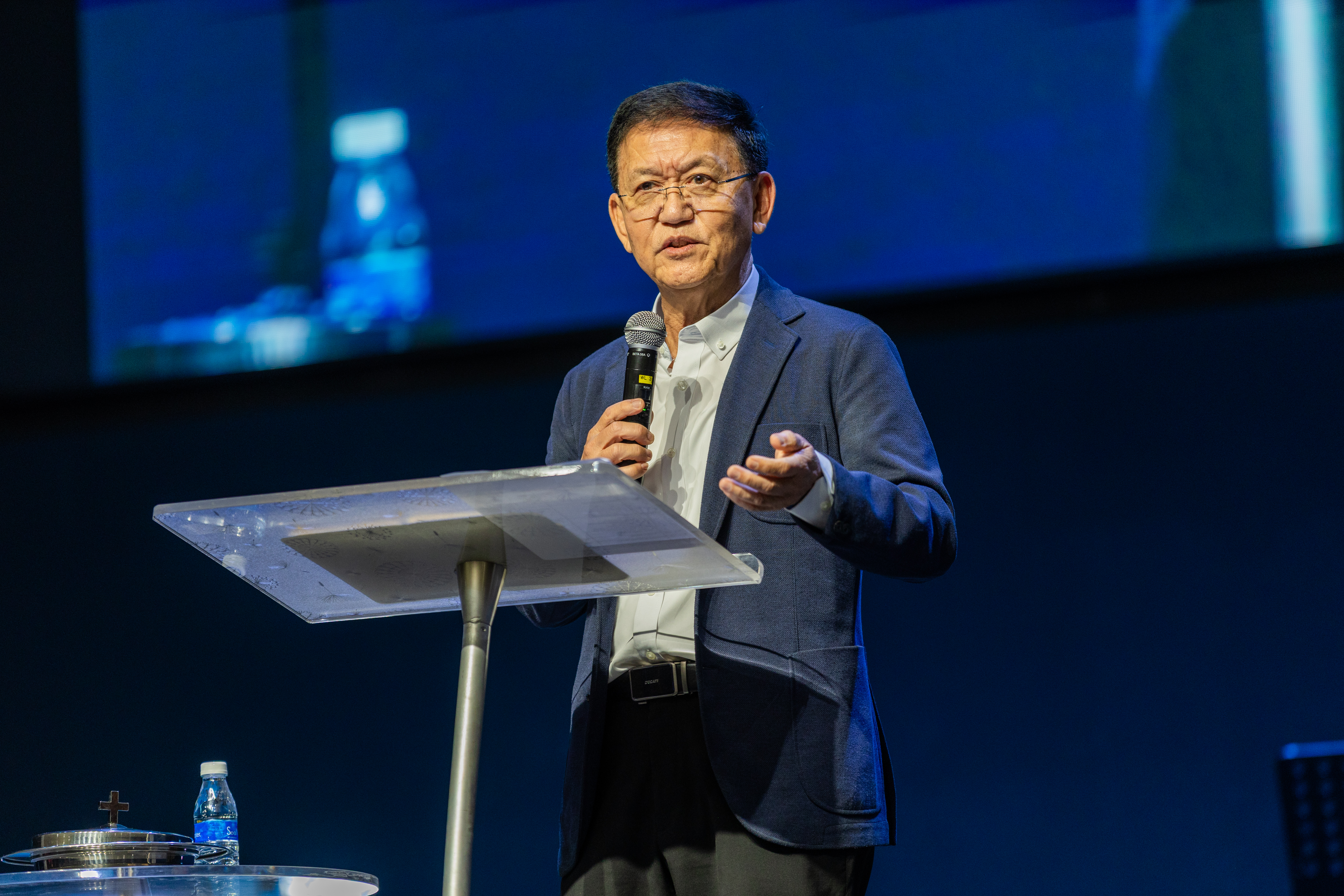
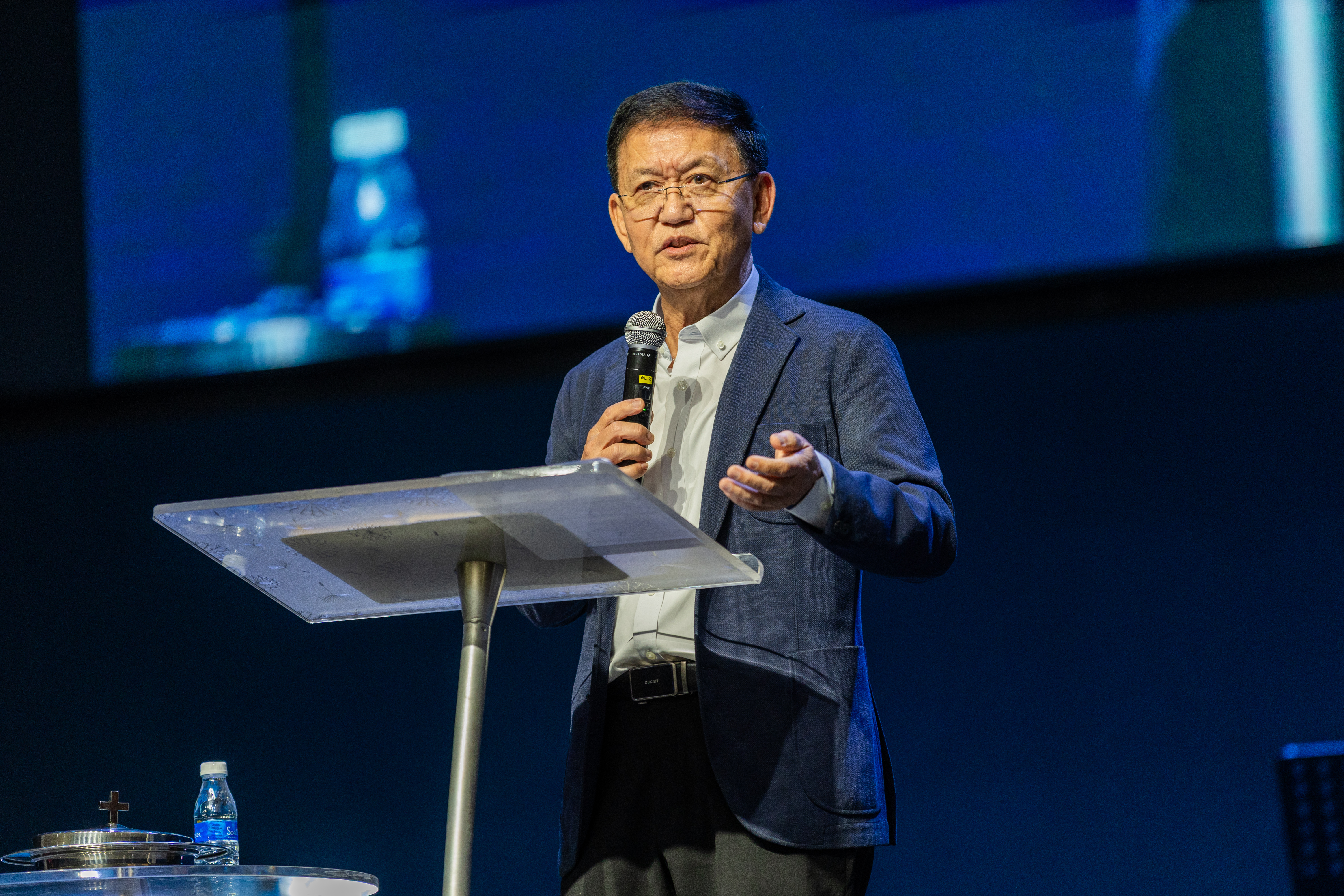
by Pastor Ronald Ooi
02 August 2026
Key Texts: Ecclesiastes 1:2; Ecclesiastes 3:1–8; Ecclesiastes 3:11; Ecclesiastes 12:1, 13; Genesis 6:8; Genesis 12:1–3; Matthew 24:37; Deuteronomy 1:31; Daniel 2:21; 2 Corinthians 12:9; Ephesians 2:8; John 3:16
Theme: Life moves through constant seasons, but the grace of God — saving, sustaining and transforming — is sufficient for every one of them, because He makes all things beautiful in His time.
Life Moves in Seasons
Nothing in this world stands still. Just as the natural year turns from winter to spring and summer to autumn — a contrast felt sharply when travelling from a Melbourne winter into the heat of Kuala Lumpur — life itself moves through one season after another. Childhood gives way to schooling, singleness to marriage, marriage to parenthood, and parenthood to grandparenthood. Jobs change, countries change, ministries change. Solomon, writing Ecclesiastes as an old and reflective man, names this restlessness for what it is: a chasing after the wind. The moment a person reaches the rainbow's end, the wind blows and it is gone.
Beneath that restlessness lies something deeper. Ecclesiastes 3:11 says that God has set eternity in the hearts of men — a built-in longing for permanence in a world where life is like the morning mist that vanishes when the sun rises. Humanity tries to satisfy that longing with money, materialism, position and achievement, and the search always ends in the same emptiness. Augustine expressed the truth plainly: the heart remains restless until it finds its rest in God. If anything in this world is permanent, it is God Himself, and it is in Him alone that the longing for eternity is answered.
Application:
Name the one thing you have been depending on for permanence — a role, a salary, a relationship, a plan — and consciously re-anchor your security in God rather than in it.
Beautiful Means Purposeful in His Time
Ecclesiastes 3:1–8 lists fourteen pairs of opposites — birth and death, war and peace — describing the totality of human experience, and verse 11 gathers it all into one statement: He has made everything beautiful in its time. The word rendered beautiful carries the sense of purposeful and appropriate. That distinction matters, because there is nothing outwardly beautiful about David fleeing from Saul, Joseph thrown into a pit and betrayed by his brothers, or Jesus betrayed by Judas. Pain, betrayal and disappointment are real, and every believer passes through some form of them. Yet in God's timing those same circumstances are purposeful.
The outcomes prove the point. Joseph did not remain in the prison; he became the chief administrator of Egypt. David did not remain a fugitive; he became king of Israel. The same verse also warns that men cannot fathom what God has done from beginning to end. There are losses — loved ones taken during the pandemic, prayers answered in ways never expected — where no explanation is given. In those places the believer's task is simply to let God be God and to trust Him, as Abraham did, because He alone knows the beginning and the end.
Application:
When you cannot understand what God is doing in your circumstances, stop demanding an explanation and choose instead to trust the One who sees the end from the beginning.
The Promise and the Process
God may give a promise in a moment, but reaching that promise takes a process. Between the word spoken and the word fulfilled, God works on the person until they are mature enough to carry what He has promised. Fifty years of ministry illustrate the pattern: early years spent sleeping on the floor, studying theology in the morning and practising it in the afternoon, sharing food with men in a drug rehabilitation centre. Nothing about that season looked beautiful at the time. Decades later, those same men include a retired real estate agency owner, a retired regional manager, and a father whose children now serve in full-time ministry.
The same slow faithfulness shows up in a family. A granddaughter named Chloe was almost lost before birth, along with her mother. A grandson named Chase needed micro-surgery within days of birth for a faulty heart valve and today is among the fastest runners in his school. A son sent overseas to study received three scholarships, completed a doctorate, and now leads research into a treatment for lupus that is entering clinical trials. A granddaughter named Hope arrived after a previous loss, and her name captures the lesson exactly: holding on with patient expectation. Promotion does not come from self-promotion; it comes from the Lord, and He gives the right thing at the right time.
Application:
Resist the urge to manipulate or accelerate God's plan for your life, and instead do the next faithful thing in the unglamorous season you are currently in.
Saving, Sustaining and Transforming Grace
Looking back over a lifetime, one word accounts for everything: grace. Grace means unmerited favour — kindness and love that is undeserved and cannot be earned. It is not possible to come to God on human terms. Ephesians 2:8 states that salvation comes by grace through faith, poured out simply because He is a Father who loves His children and receives all who call on Him. This grace works in three ways. Saving grace brings a person into relationship with God. Sustaining grace holds them through the seasons that follow. Transforming grace changes them into the person God intends them to be.
This is why the gospel answers the restlessness of Ecclesiastes. John 3:16 declares that God gave His only Son so that whoever believes in Him will not perish but have eternal life. Eternity is not a vague hope but a prepared place with Him. Ecclesiastes ends with the same counsel: remember your Creator in the days of your youth, fear God and keep His commandments. Grace saves, grace sustains, and grace transforms — and it is grace alone that has carried every believer to wherever they stand today.
Application:
Thank God specifically today for one thing in your life you know you did not earn, and let that gratitude — not obligation — be what drives your obedience this week.
Noah Found Grace: Obedience in the Last Days
Genesis 6:8 records that Noah found grace in the eyes of the Lord, and Matthew 24:37 declares that as it was in the days of Noah, so will it be at the coming of the Son of Man. Two things marked that era and mark this one. Corruption and immorality rise until they reach the nostrils of a holy God, and alongside that rising darkness comes a mighty outpouring of the Holy Spirit in the last days. There is no neutral ground between the two. A person is either inside the ark with Noah's family or swept away by the corruption of the age; lukewarm faith is not an option.
The question every parent and grandparent asks is how the next generation will survive an age of artificial intelligence, scams and counterfeits. Foundations must certainly be laid: teach them the Word, grant them wisdom, help them discern right from wrong. But the deciding factor is the same one that preserved Noah. Noah found grace, and the evidence of that grace was a single response — he obeyed. Grace and obedience belong together. Believers obey not because obedience is demanded, but because grace has already been shown to them.
Application:
Identify the one instruction from God you have been postponing, and obey it this week rather than waiting for the world's approval of it.
From Self-Made Man to God-Made Man
Abraham was settled in Ur — an established businessman and a moon worshipper — when God called him in Genesis 12 to leave his country, his people and everything familiar. The promise attached to that call was entirely God's work to fulfil: I will bless you, I will show you, I will make you a great nation, and you will be a blessing to all peoples. At roughly seventy-five, Abraham was already a self-made man; God's invitation was to become a God-made man instead. He obeyed, left, and rested on the promise.
The order of events matters. With the separation came the revelation. Because Abraham was willing to leave the old life and its idolatry behind, God kept speaking to him, and he kept building altars wherever he went to ensure God remained with him. Had he stayed, he would have forfeited that continuing revelation. This is the difference between seeking the good life and seeking the God life. The grass is not greener elsewhere; every country carries its own challenges, and summer grass in Australia is brown. The God life is available wherever God places a person, and the church that lives it is local in setting but global in mission — called, like Israel of old, to bless the nations.
Application:
Ask God honestly whether you are building a self-made life or a God-made one, and surrender the specific comfort you would need to release for Him to keep speaking to you.
My Grace Is Sufficient for You
Paul carried a thorn in the flesh and asked God to remove it. Scholars debate what it was — an affliction of the eyes, or the opponents who made his work difficult — but the answer given in 2 Corinthians 12:9 is not in dispute. God did not take the thorn away. He said instead: My grace is sufficient for you, for My strength is made perfect in weakness. The promise was not removal but sufficiency — enough grace and strength to go through it.
This is the character of God in painful seasons. He is a God who takes His people through rather than around. Job lost family, children and possessions before God restored him many times over. There are seasons to weep and to mourn as surely as there are seasons to laugh and to dance, and while they last they are difficult to understand. Yet the vine-dresser is pruning the branch. Some healings are instant and some take time, but in His time He makes all things beautiful. The longing to be released immediately is understandable; the promise actually given is grace enough to endure.
Application:
Stop asking God only to remove the thorn you are carrying and start asking Him daily for the grace to walk through it faithfully.
God Changes Times and Seasons
Seasons are not accidents; God governs them. Daniel 2:21 says that He changes times and seasons, sets up kings and deposes them. The social, political and economic structures of this present age will all change, but the kingdom of God is an everlasting kingdom. That kingdom is not merely a future destination. Jesus brought it with Him, and at Pentecost the Holy Spirit came to place the governance of God over the lives of His people. Believers are therefore kingdom people now, praying that His kingdom come and His will be done on earth as it is in heaven, and carrying kingdom principles into homes, offices, schools and society.
Living under that government requires discernment, patience and wisdom, because each season calls for a different response. Clothing suited to summer is useless in winter. Singleness affords time that marriage requires a person to share; children call for shared resources, and grandchildren for giving everything away. There is a time for everything, and wisdom lies in recognising which time it currently is. Every season has a purpose, God remains active in each one, and there is grace supplied for every change.
Application:
Assess what season you are actually in right now and adjust one expectation or commitment that belongs to a season you have already left.
This Is How I Carry You
The clearest picture of sustaining grace came in a hospital in Melbourne. After weeks of prayer over a difficult and dangerous birth — prayer offered privately, by two people on their knees, without appeal to any church or platform — a first grandchild was born. As the newborn was placed into her grandfather's arms, a gentle voice spoke to his heart: This is how I carry you. Scripture confirms the impression. Deuteronomy 1:31 records Moses reminding Israel, on the edge of the promised land after forty years, that they had seen how the Lord carried them as a father carries his son, all the way until they reached that place. Their shoes did not wear out; bread came from heaven and water from the rock.
That same God carries His people into tomorrow, and He is already there. Anxiety about what lies ahead — the journey, the appointment, the children, the diagnosis — forgets that Jesus has gone before. He is already in the clinic; He is already with the doctor; He is present even in sleep. There is a related lesson learned along the way: a person's position before God matters more than any position before men, and final contentment is never found in ministry or achievement but in God Himself. He does not change. Whatever the season, His grace is sufficient.
Application:
Name tomorrow's specific worry out loud to God tonight, and entrust it to Him on the ground that He is already there waiting for you.
Life Group Reflection Questions
1. Ecclesiastes 3:11 says God makes everything beautiful in its time, and the word beautiful carries the sense of purposeful. Looking back, which season of your life looked anything but beautiful at the time, and what purpose can you now see in it?
2. The message distinguishes between a self-made man and a God-made man, using Abraham's call to leave Ur. Where in your life are you still building on your own terms, and what would it cost you to let God do the making instead?
3. Noah found grace in the eyes of the Lord, and the evidence of that grace was obedience. What is one area where your obedience has grown slow or selective, and what do you think is behind that hesitation?
4. God answered Paul's request not by removing the thorn but by promising sufficient grace. How does that answer sit with you in whatever you are currently asking God to take away, and what would it look like to receive grace to go through instead?
5. The image of a grandfather holding a newborn carried the words: This is how I carry you. Where do you most need to know that you are being carried right now, and how could this group support you in that season?
Closing Summary
This message traces a single, consistent thread: every season changes, but the grace of God is sufficient for all of them. From Solomon's chasing of the wind to Abraham's call out of Ur, from Noah's obedience to Paul's unremoved thorn, the pattern holds — God rarely removes the difficulty, but He always supplies the grace to go through it, and in His time He makes what looked painful into something purposeful. Saving grace brings the believer in, sustaining grace holds them through, and transforming grace makes them what He promised. The call of this message is to stop striving for permanence in things that vanish, obey the God who is already standing in your tomorrow, and let Him carry you as a father carries his child.