A culture of blessing
by Pastor Peter Simon
14 July 2024
Introduction
God wants to bring about a culture of blessing in His church, and it has to start in us. God is a blessing God, and He loves to bless His children.
Genesis 1:22 (ESV)
And God blessed them, saying, “Be fruitful and multiply and fill the waters in the seas and let birds multiply on the earth.”
Genesis 1:28 (ESV)
And God blessed them. And God said to them, “Be fruitful and multiply and fill the earth …”
Everything we see in creation blesses us because it comes from God. God is the source of all blessings. The culture of blessing others is hence God’s idea, not ours.
James 1:17 (ESV)
Every good gift and every perfect gift is from above, coming down from the Father of lights, with whom there is no variation or shadow due to change.
There’s joy in receiving God’s blessing and there’s joy in blessing others. This culture of blessing ought to be embedded in our life as Christians and as a body of Christ so that it becomes second nature to us. A mature church gives willingly without being prompted.
Proverbs 11:25 (ESV)
Whoever brings blessing will be enriched, and one who waters will himself be watered.
How Can We Have This Culture of Blessing?
- We pronounce blessings of God over ourselves daily.
- We must know that we are blessed. We must not rely on our emotions.
- We can’t give someone something which we don’t have. For example, we can’t give love to someone if we ourselves have not received love.
- We need to conquer the attitude of complaining. When we start to bless the Lord with all our soul, we can overcome the complaining spirit.
Psalm 103:1–12 (ESV)
1 Bless the Lord, O my soul, and all that is within me, bless His holy name! 2 Bless the Lord, O my soul, and forget not all His benefits, 3 who forgives all your iniquity, who heals all your diseases, 4 who redeems your life from the pit, who crowns you with steadfast love and mercy, 5 who satisfies you with good so that your youth is renewed like the eagle’s. … 8 The Lord is merciful and gracious, slow to anger and abounding in steadfast love. 9 He will not always chide, nor will He keep His anger forever. 10 He does not deal with us according to our sins, nor repay us according to our iniquities. 11 For as high as the heavens are above the earth, so great is His steadfast love toward those who fear Him; 12 as far as the east is from the west, so far does He remove our transgressions from us.
The word ‘blessed’ in Hebrew is barukh, which means enjoying happiness or bliss, favored with blessings, happy, or highly favored. In Greek, it’s eulogia, which means an invocation of blessings, a concrete blessing, and receiving benefits.
Our Time of Worship
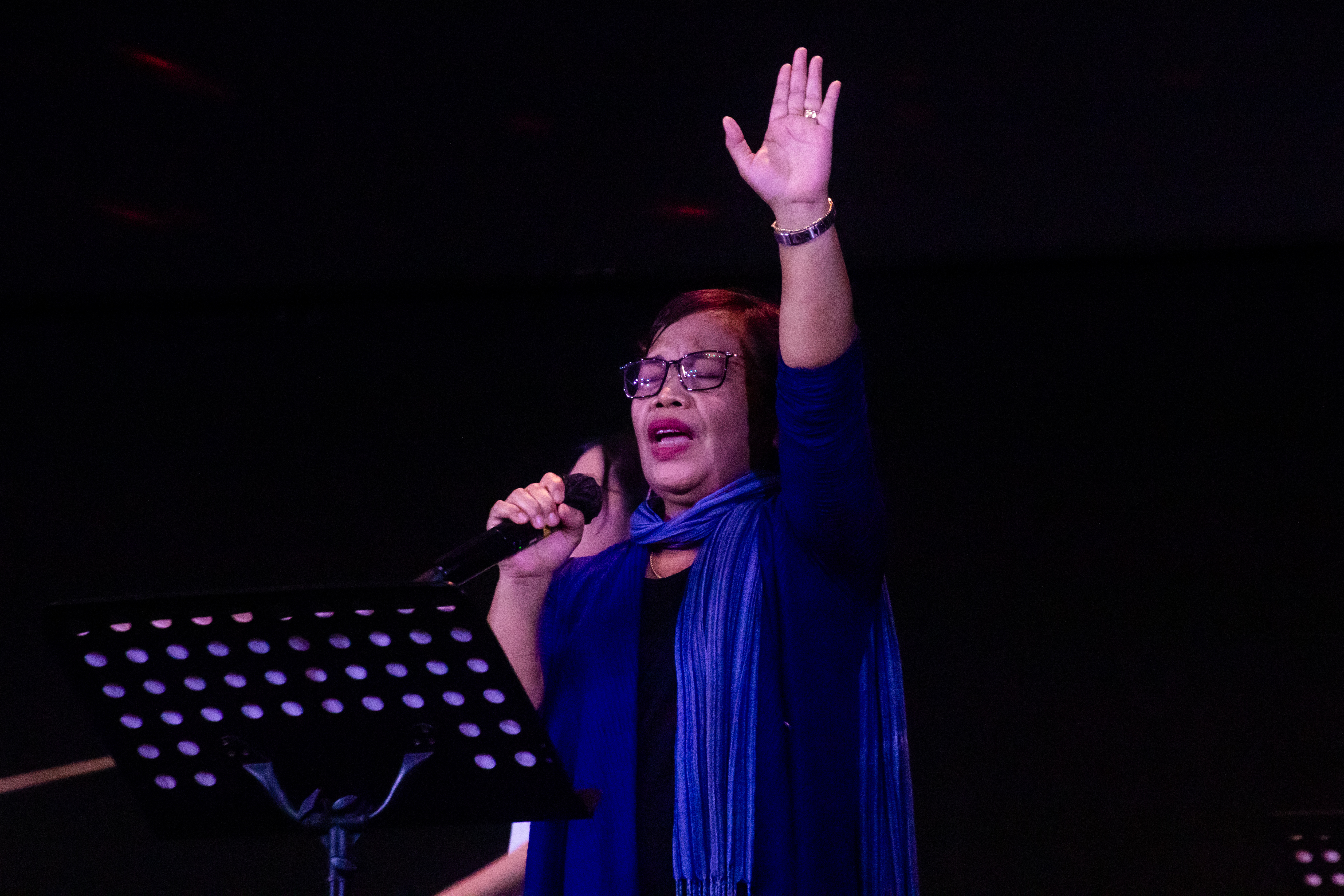
Our time of worship is the setting up of our lives to receive God’s favor. Worship reminds us that God is good. We lift our hands in worship because it means something:
- Yada: We lift our hands to ask God for His intervention in our situation.
- Toda: We lift our hands in thankfulness and adoration of God Almighty.
Pronouncing Blessings in Church, Life Groups, Family, and Over Others
- We need to value the communion and the fellowship of believers.
- We need to desire the priestly blessings over our lives (Numbers 6:22–27). When we leave a service, we leave with God’s blessing throughout our lives.
- As a royal priesthood (1 Peter 2:9–12), we in turn proclaim the blessing over others. The blessings come when we speak.
Numbers 6:22–27 (ESV)
22 The Lord spoke to Moses, saying, 23 “Speak to Aaron and his sons, saying, Thus you shall bless the people of Israel: you shall say to them, 24 The Lord bless you and keep you; 25 the Lord make his face to shine upon you and be gracious to you; 26 the Lord lift up his countenance upon you and give you peace. 27 “So shall they put my name upon the people of Israel, and I will bless them.”
Becoming Pillars of Blessing
We become pillars of blessing for social works, the streets, schools, workplaces, etc. Pillars are symbolic of support, strength, and sustenance. As we bless God, God turns our hands into ‘blessing hands’. Our hands become hands of mercy, hands of kindness, and hands of hope. We adopt a social work ministry or a street or a school to bless them (Luke 10:5–9).
When we constantly bless people, we build relationships with them. We stand together as pillars in the house of God to do the work of ministry effectively. We can then support one another in prayer and sustain one another with faithful giving.
Luke 10:5–9 (ESV)
5 Whatever house you enter, first say, ‘Peace be to this house!’ 6 And if a son of peace is there, your peace will rest upon him. But if not, it will return to you. 7 And remain in the same house, eating and drinking what they provide, for the laborer deserves his wages. Do not go from house to house. 8 Whenever you enter a town and they receive you, eat what is set before you. 9 Heal the sick in it and say to them, ‘The kingdom of God has come near to you.’
Conclusion
A culture of blessing is a wonderful culture. Three things change when we have a culture of blessing:
- Attitude: From complaining or negativity to this attitude of ‘God is interested in my streets, family, etc.’
- Atmosphere: From dark, desolate, and depressing situations to pleasant, tranquil, and congenial home and workplace.
- Actions: From being upset with people to now finding ways to show kindness.
Let’s be a people who bless others in our community and get this culture of blessing growing.